


Comprehensive Guide to Prop Sleeves: Pricing, Specifications, and Buying Tips
What Are Prop Sleeves and Why Are They Essential?
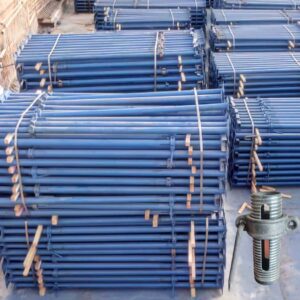
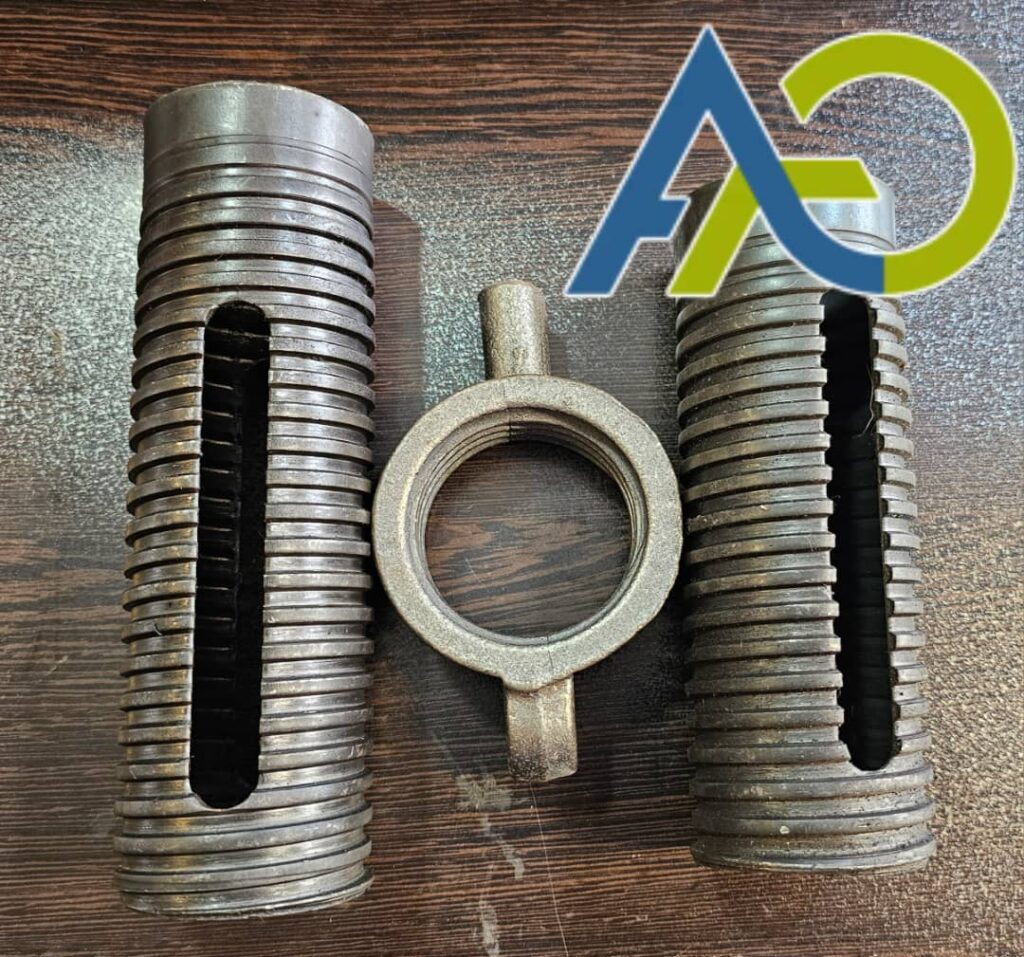
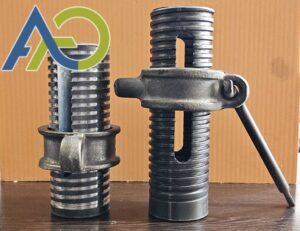
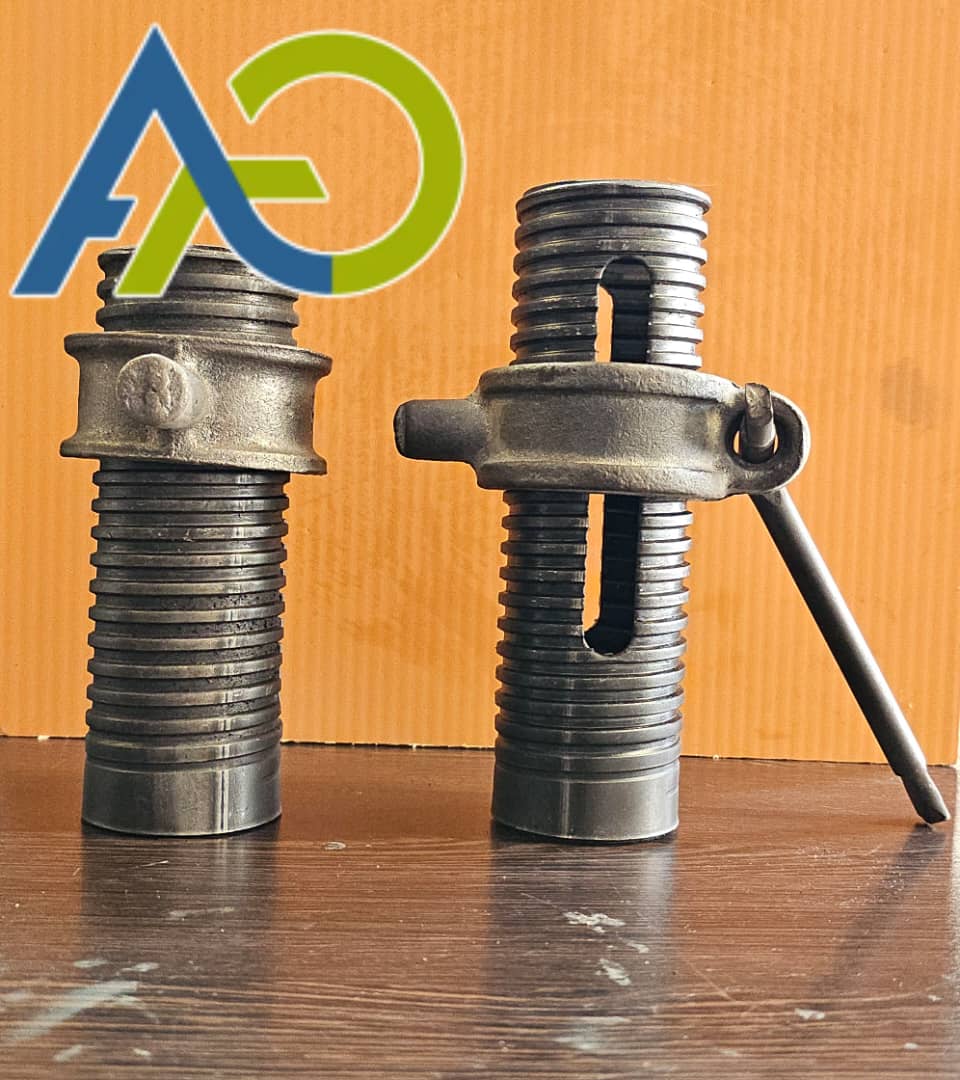
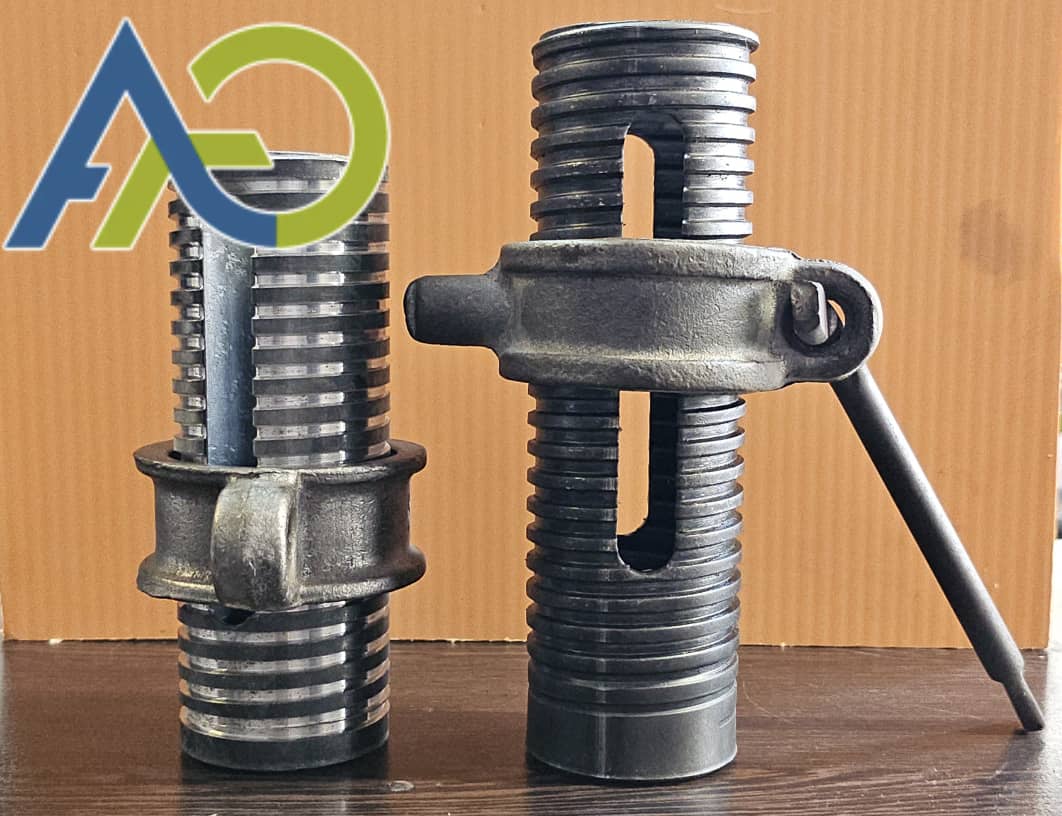
Prop sleeves, also known as shoring prop sleeves or scaffold prop sleeves, are critical components of construction prop jacks, enabling precise height adjustments and supporting heavy loads in concrete formwork projects. Typically crafted from ductile iron or steel, these sleeves ensure the stability and strength of concrete structures, such as joist-and-block ceilings or waffle slabs. Selecting high-quality prop sleeves enhances project safety and reduces maintenance costs.
At Alborz Ghaleb, with over a decade of expertise in manufacturing construction equipment, we provide durable and standard-compliant shoring prop sleeves for various construction projects. Our products, such as crosshead prop jacks and Iraqi-style prop jacks, utilize premium scaffold prop sleeves for optimal performance. This guide covers everything about prop sleeves: technical specifications, applications, buying tips, maintenance, and safety considerations. For expert consultation or purchases, contact Alborz Ghaleb at: +98 912 139 0683.
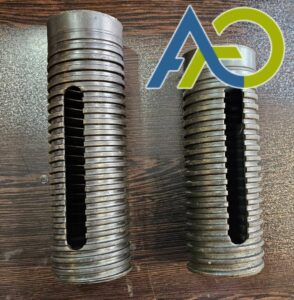
Buying Guide for High-Quality Shoring Prop Sleeves
What Are Prop Sleeves? Types and Specifications
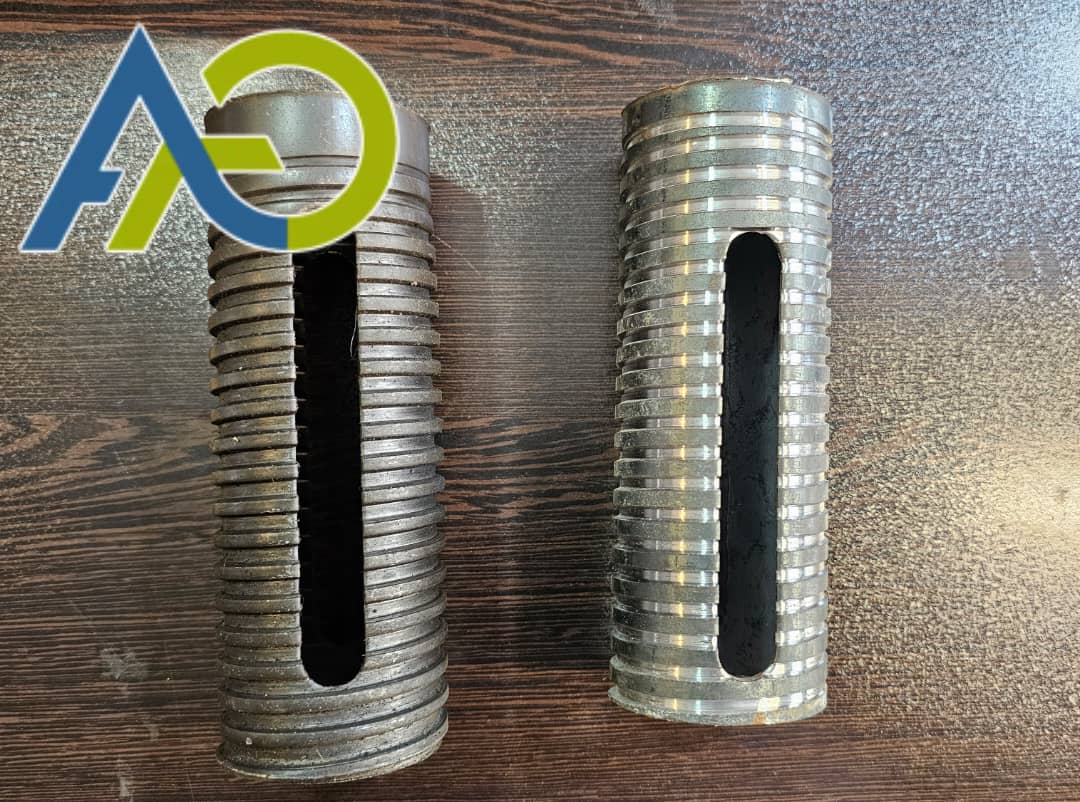
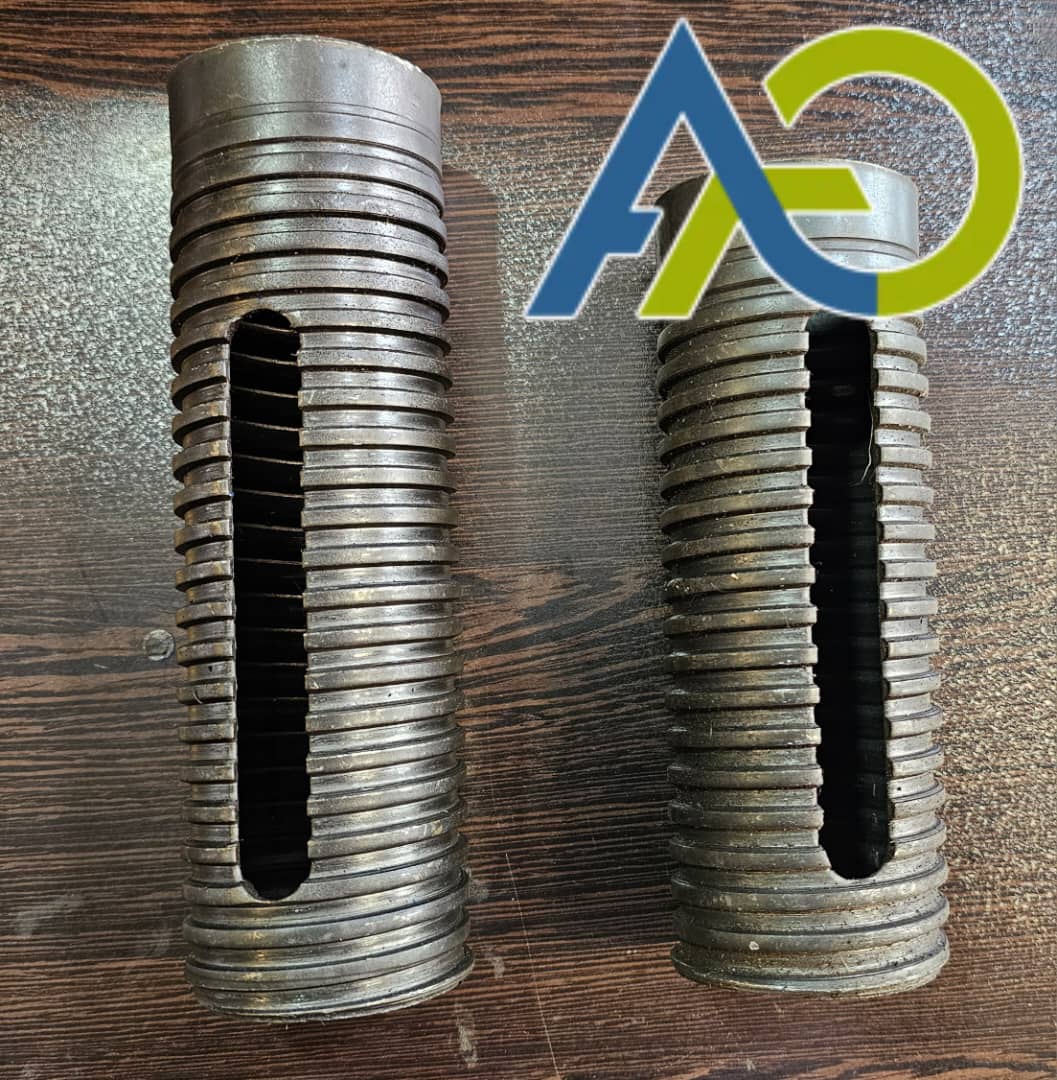
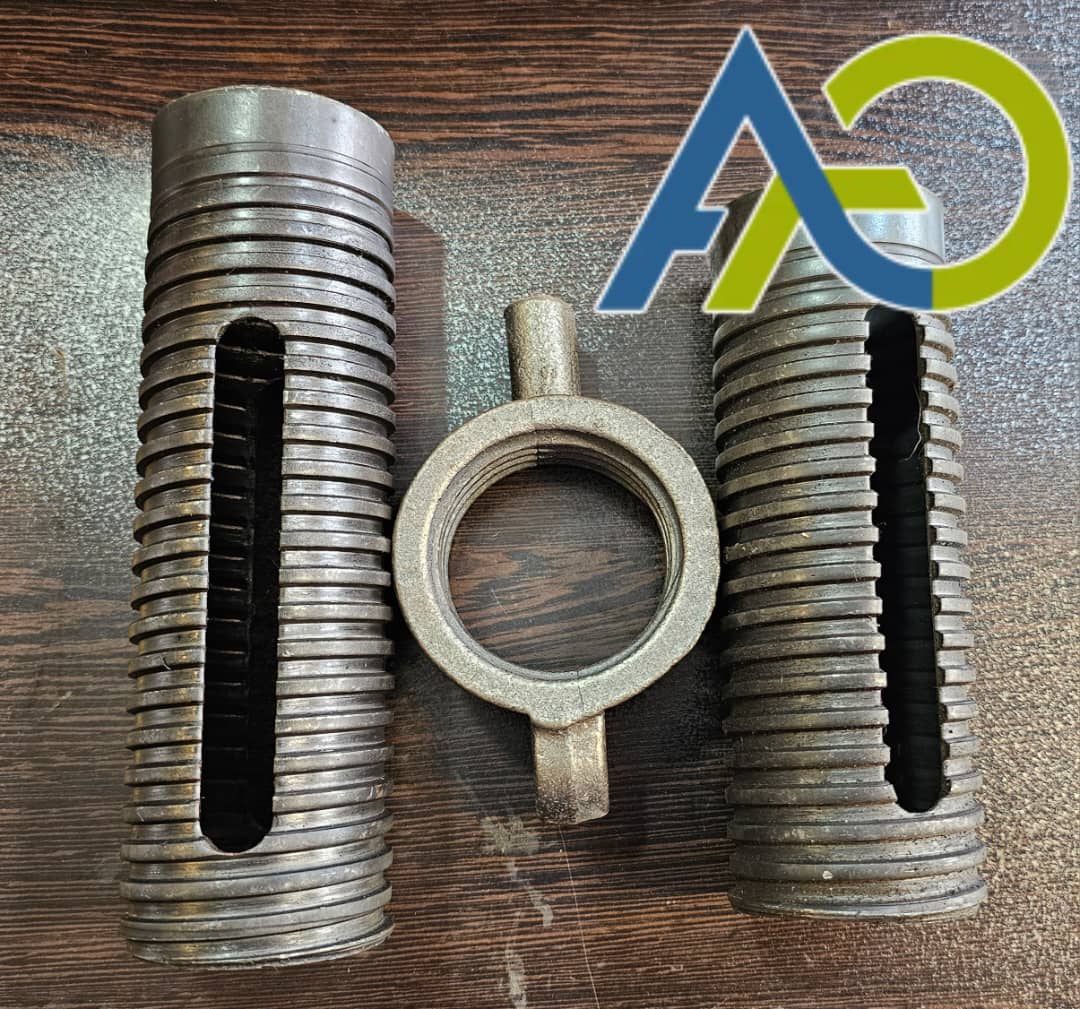
Prop sleeves are integral to construction jacks, allowing precise height adjustments. These components, typically designed as a screw-and-nut mechanism, are positioned at the top of prop jacks. Prop sleeve diameters and materials significantly impact their performance. They are produced in two primary types:
1. Rolling (Cold-Rolled) Prop Sleeves
Cold-rolling forms shoring prop sleeves through pressure and shaping without material removal, preserving the component’s strength.
- No Material Removal: Maintains material integrity, enhancing durability.
- High Surface Quality: Offers smoother surfaces (up to 32 microns better than machined sleeves), increasing resistance to wear and fatigue.
- Greater Strength: Cold-rolling compresses the material’s crystalline structure, improving yield strength and hardness.
- Applications in Prop Jacks: Typically made from pipes with prop sleeve diameters of 60mm and a 3mm thickness, with sleeve lengths of 17cm or 20cm and pitches of 6mm, 8mm, or 9mm.
Advantages:
- Preserves material strength.
- Ideal for high-volume production with speed and precision.
Applications:
- Used in Iraqi-style or export-grade jacks and crosshead prop jacks. Explore our Prop Jacks for Construction for more details.
2. Machined Prop Sleeves
Machined scaffold prop sleeves are created using cutting tools like lathes, dies, or taps, often for specialized or low-volume production.
- Material Removal: Cutting reduces the cross-sectional area, potentially lowering strength.
- Sleeve Quality: May have lower surface quality compared to rolling, making them less resistant to wear and tensile forces.
- Applications in Prop Jacks: Typically produced with a 3mm thickness and lengths of 17cm or 20cm, not using the rolling method.
Advantages:
- Suitable for low-volume production or harder materials not suitable for rolling.
Disadvantages:
- Reduced strength due to material removal.
- Higher cost for large-scale production.
Applications:
- Used for prop jacks requiring fine pitches (e.g., 6mm) for precise connections.
Comparison of Rolling vs. Machined Shoring Prop Sleeves
| Criteria | Rolling Prop Sleeves | Machined Prop Sleeves |
|---|---|---|
| Production Method | Cold-rolling, no material removal | Cutting with lathe, die, or tap |
| Strength | Higher (due to crystalline compression) | Lower (due to material removal) |
| Surface Quality | Smoother (up to 32 microns better) | Lower quality |
| Production Speed | High, ideal for mass production | Slower, suited for limited runs |
| Cost | Cost-effective for large-scale | More expensive for mass production |
Contact for price
Consulting, buying and selling formwork equipment

Your opinion matters to us
Share your experience and thoughts with us and other users
No comments yet. Be the first!