



Plastic Formwork: The Plywood Alternative for Concrete Slab Casting
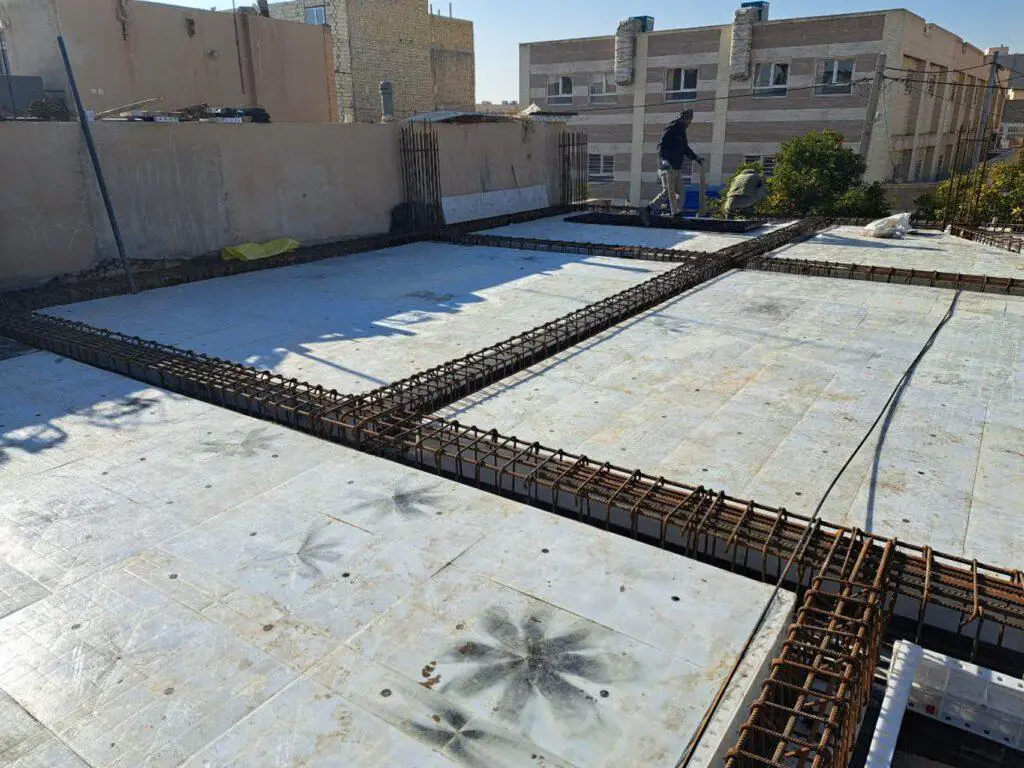
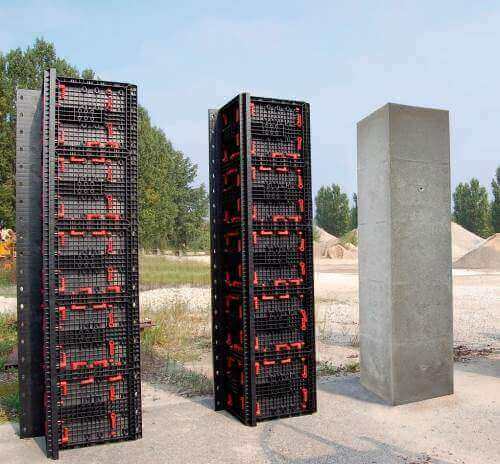
Plastic (polymer) formwork is a modern, lightweight, and waterproof alternative to plywood for casting concrete slabs. Unlike plywood, which swells and delaminates under concrete moisture and humid air, polymer formwork is waterproof, requires no release agent, and is reusable dozens of times. Alborz Ghaleb manufactures and supplies plastic polymer formwork with technical consultation, current pricing, and shipping across the region.
Why Plywood Fails on Concrete Slabs
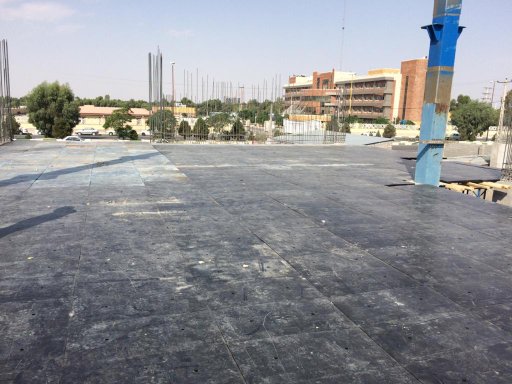
Concrete slab work traditionally relies on plywood or multi-ply boards. But because of concrete moisture and ambient humidity — especially in humid regions — these plies lose their inter-layer bond over time, the layers separate (they "blister"), and the board loses strength. The result: high material consumption, frequent replacement, and rising project costs.
Plastic Polymer Formwork: The Right Plywood Replacement
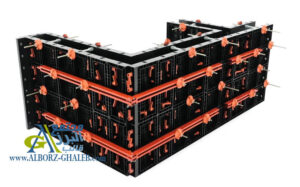
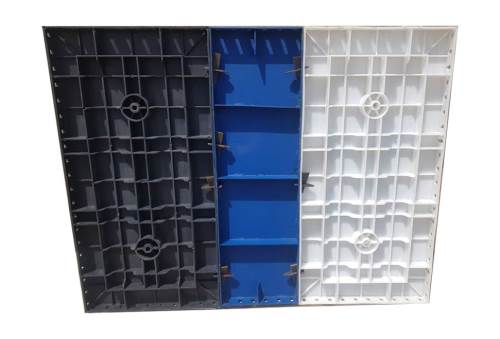
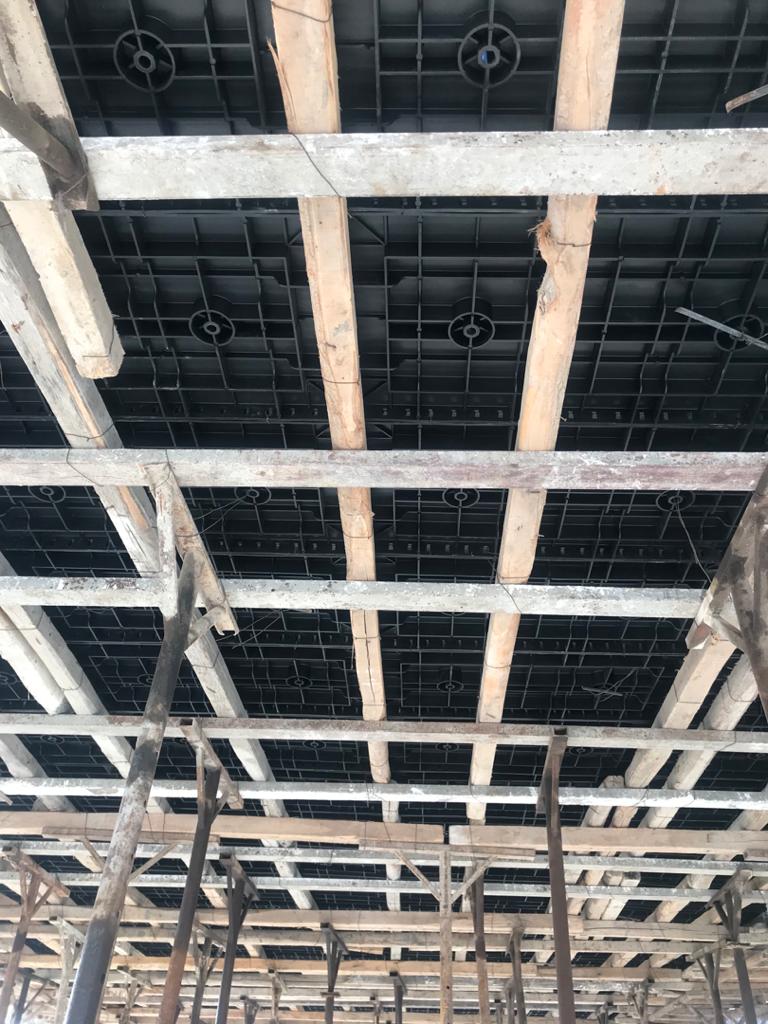
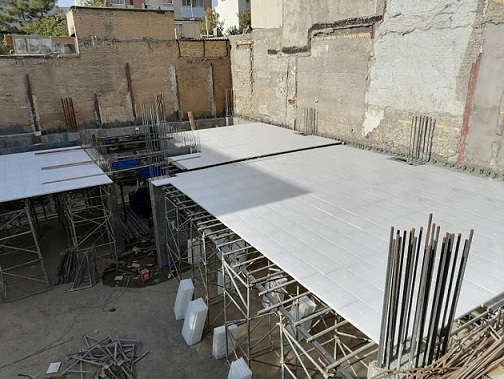
Polymer plastic formwork is an excellent plywood alternative for slab work and can be used easily in wet environments. Another key advantage is that it needs no release agent — the smooth surface makes concrete demolding easy. Made from high-strength polymers (PP/PVC), these reusable panels deliver a clean, uniform finish pour after pour. To explore the full product family, see our concrete formwork page.
Advantages of Plastic Formwork over Plywood
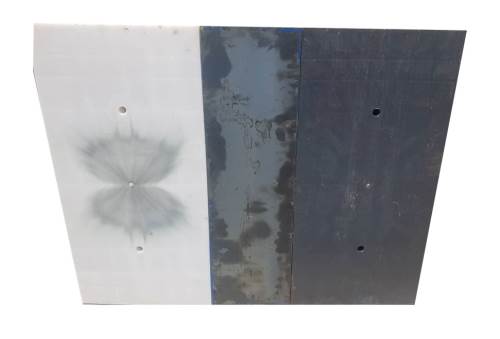
- Lightweight: Far lighter than plywood and steel — easy and fast to move around the site and between floors.
- Waterproof: Does not swell, rot, or blister in humid environments.
- No release agent: The smooth surface makes demolding easy; no form oil required.
- Water washable: Cleaning needs no special tools — just pressurized water.
- Reusable: Reusable dozens of times, lowering long-term project cost.
- Clean finish: Uniform concrete surface, reducing the need for plastering.
Limitations (A Realistic View)
- Initial cost: May be higher than wood, but the per-pour cost drops thanks to reuse.
- Less rigid than steel: For very high concrete pressure, install with proper joist/prop spacing.
- Thermal expansion: Expands more at high temperatures; correct installation practices control this.
Plastic Formwork vs. Plywood vs. Steel
| Feature | Plastic Polymer | Plywood | Steel |
|---|---|---|---|
| Weight | Very light | Medium | Heavy |
| Moisture resistance | Excellent (waterproof) | Poor (swells) | Good (rust risk) |
| Release agent | Not needed | Needed | Needed |
| Reusability | Dozens of times | A few times | Very high |
| Cleaning | With water | Difficult | Moderate |
| Cost per pour | Low | High (frequent change) | Moderate |
Slab Polymer Formwork Sizes & Connection
Polymer slab formwork is produced in 50×100 and 120×60 cm:
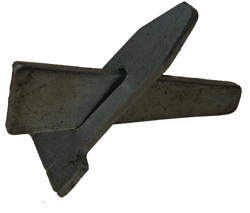
- 50×100 panel: Easily joined with metal pin and wedge.
- 120×60 panel: Connected with a lever.
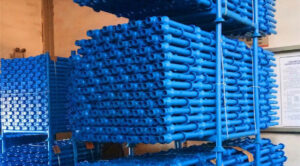
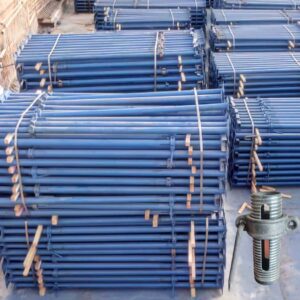
For temporary slab support and leveling, pair them with prop jacks and modular scaffolding.
How to Cast a Slab with Plastic Formwork
- Prepare the forms: Select correctly sized panels and connect them with pin-and-wedge or lever.
- Site prep: Clean the area, set the pour zone, and prepare the deck/props.
- Form layout: Place panels in the correct position per the slab design.
- Secure the forms: Fix panels to prevent shifting and keep the concrete shape.
- Pour concrete: Pour and distribute evenly for a smooth surface.
- Curing: Allow proper set time per concrete type and conditions.
- Stripping: After set, strip easily and prepare for reuse.
Frequently Asked Questions
Can plastic formwork really replace plywood?
What sizes are available?
Does plastic formwork need form oil?
How many times can polymer formwork be reused?
Do you export to my country?
Source Your Plywood-Alternative Plastic Formwork from Alborz Ghaleb
Direct manufacturing, current pricing, free technical consultation, and regional shipping.
Contact for price
Premium Dome Waler Plates (Soldier Plate Washers) for Concrete Formwork

Shear Wall Formwork: Complete Guide to Technical Tips, Safety & Best Practices
Flat Slab Formwork System: Step-by-Step Site Execution Guide
aluminum formwork system for construction

What is a Waffle Slab (Hollow Core Slab with Removable Formwork)? | Complete Execution Guide

Your opinion matters to us
Share your experience and thoughts with us and other users
No comments yet. Be the first!