Waffle Slab Moulds: Types, Prices and Factory-Direct Supply
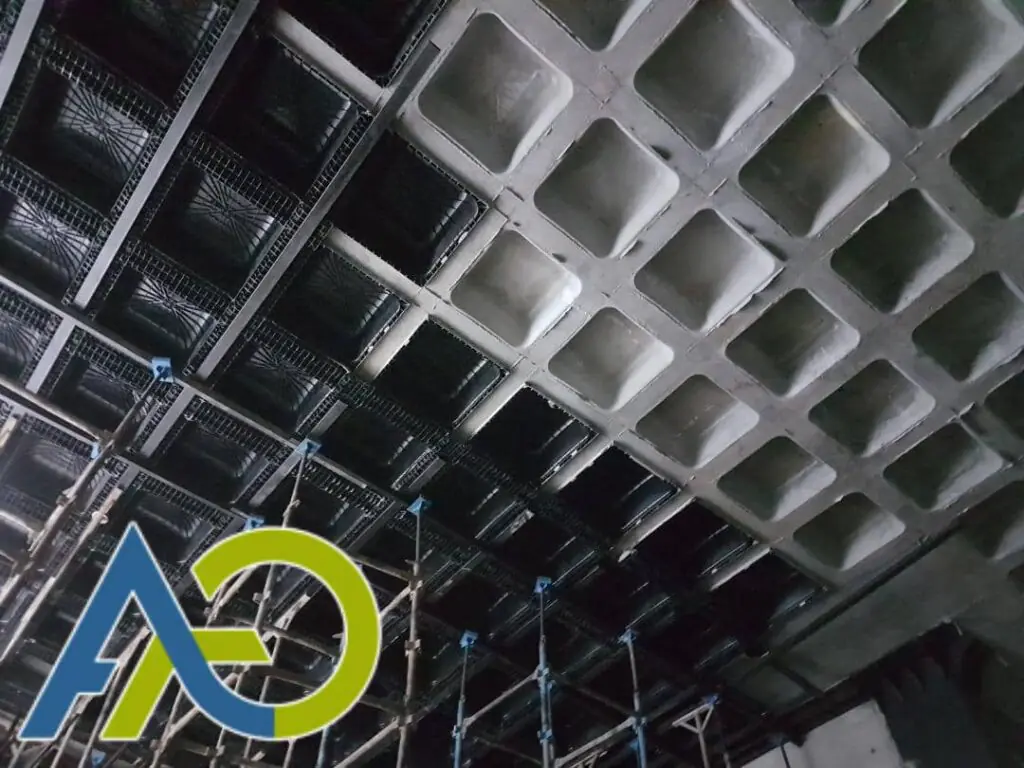
Imagine a building that is lighter, more earthquake-resistant and dramatically cheaper in materials. That is exactly what waffle slab moulds deliver. This technology — the beating heart of beautiful coffered ceilings — is reshaping modern construction.
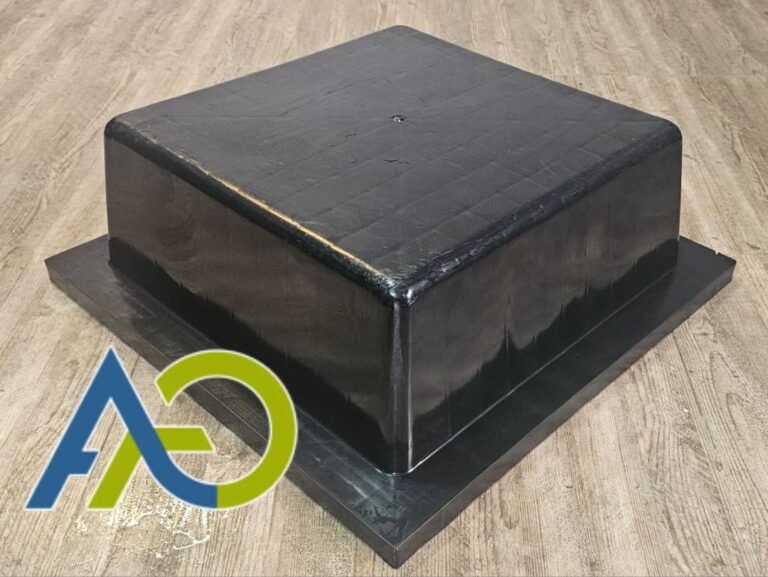
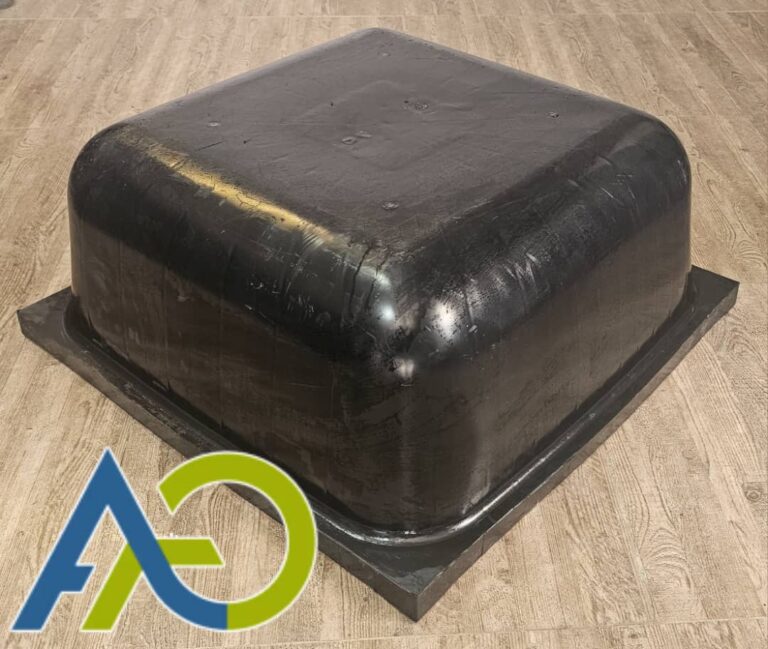
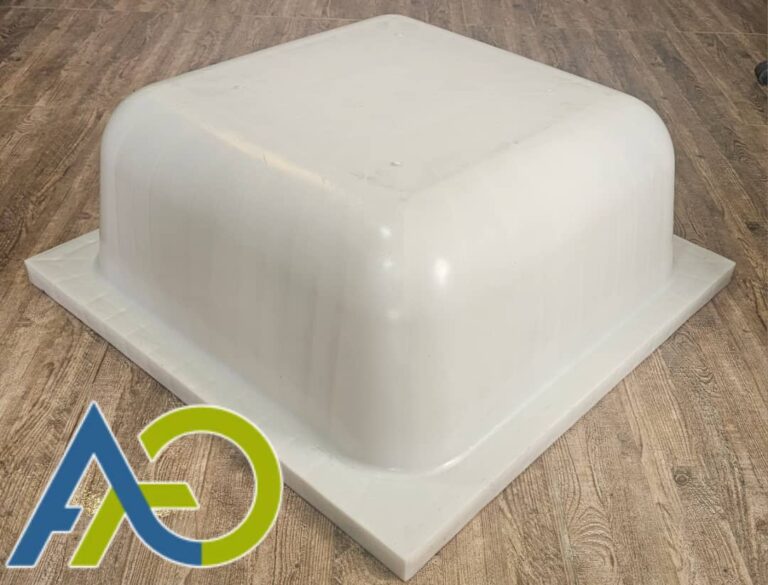
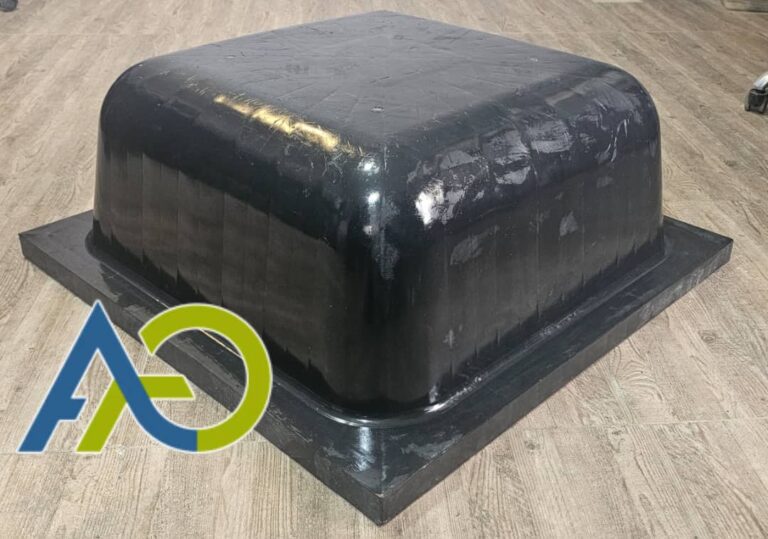
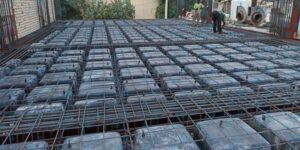
A waffle slab mould is a reusable polypropylene (or steel) form used to cast waffle slabs: by removing inefficient concrete from the slab soffit it cuts structure weight by up to 30%, while the grid of orthogonal ribs keeps full strength. Unlike permanent void formers (U-Boot), waffle moulds strip after curing and are reused 50+ times — an economical and eco-friendly choice.
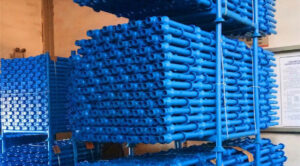
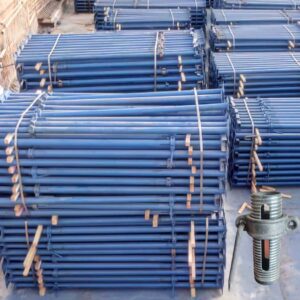
💡 Successful waffle slab execution needs proper shoring: get system scaffolding and prop jacks from the same source.
Why Engineers Choose Waffle Slabs (Honest Pros & Cons)
Key advantages
- Lighter, safer structure: up to 30% less slab weight — lower dead load, better seismic performance;
- Cost savings: less concrete and rebar + 50+ reuses = much lower final cost;
- Architectural freedom: spans up to 16 m without intermediate columns;
- Fast cycle: quick placing and stripping shortens the schedule;
- Exposed beauty: the coffered soffit looks modern — no false ceiling needed;
- Featherweight forms: each mould weighs only 3–8 kg — handled without heavy equipment;
- High pressure resistance despite the low weight; polished face strips clean without special oiling;
- 19 sizes from 60×60 up to 95×95 cm for every project type.
Honest drawbacks
- Higher initial cost — recovered quickly through reuse on larger jobs;
- Skilled crew required for safe, correct execution;
- Limits on irregular plans: highly curved or special-load structures can be challenging.
Types of Waffle Slab Moulds
One-way waffle: the economical choice for short spans
Used when loading runs mainly in one direction; acts like cast-in-place joists, ideal for 6–9 m spans. Lower initial cost, faster execution, simpler design — perfect for regular residential plans.
Two-way waffle: power and flexibility for big projects
Designed for loads in two orthogonal directions; enables 10–16 m spans with more uniform load distribution. The top pick for sports halls, multi-storey car parks and commercial spaces.
Skydome & hybrid systems
Combining waffle moulds with post-tensioning pushes spans to 20 m. Skydome moulds with a domed profile and 20 cm heel offer better acoustic insulation and a striking soffit — used in metro stations, exhibition halls and large warehouses.
| Feature | One-way waffle | Two-way waffle |
|---|---|---|
| Shape | Rectangular | Square |
| Rib direction | One direction | Two orthogonal directions |
| Max span | up to 9 m | up to 16 m (special design) |
| Main use | corridors, short spans | halls, car parks, long spans |
| Cost | usually cheaper | slightly higher, better on long spans |
19 Sizes: from 60×60 to 95×95 cm
| Mould size (cm) | Max span | Recommended use |
|---|---|---|
| 60×60×18 | up to 7 m | small residential & commercial |
| 60×60×25 / 28 / 30 | 8–9 m | commercial, car parks, small halls |
| 75×75×18 / 24 / 28 / 30 | 8–10 m | commercial, car parks, halls |
| 80×80×25 / 28 / 30 / 40 | 10–12 m | industrial, warehouses, car parks |
| 85×85×25, 90×90×30 / 33 / 40 | 13–15 m | industrial, warehouses, bridges |
| Skydome 90×90×30 / 40 (heel 20) | 14–16 m | metro, exhibition, big warehouses |
| 95×95×40 | up to 16 m | large industrial, bridges |
Waffle vs U-Boot, Block-Joist and Cobiax
- vs U-Boot: waffle is lighter (forms strip out, not buried) and far cheaper long-term thanks to reuse; execution is simpler — U-Boot formers tend to float during the pour;
- vs block-joist: waffle is much lighter; block-joist wins only on very short spans — as spans grow, waffle saves steel and concrete; waffle also looks better and performs better seismically;
- vs Cobiax: both are light, but waffle's orthogonal ribs give more design flexibility, and reusable moulds win economically on large jobs.
| System | Weight | Cost | Soffit | Key edge |
|---|---|---|---|---|
| Waffle | light | cheapest long-term | coffered, beautiful | reusability + long spans |
| U-Boot | medium | lower initial | flat | two-way flat slab |
| Block-joist | heavier | cheap on short spans | flat (needs finishing) | simple small jobs |
| Cobiax | light | lower initial, no reuse | flat | two-way voided slab |
Step-by-Step Waffle Slab Execution
- 1) Design: detailed drawings by the structural engineer for loads and spans;
- 2) Shoring: modular scaffolding and prop jacks installed and levelled — the foundation of the whole job;
- 3) Mould layout: waffle moulds placed and levelled exactly to drawing;
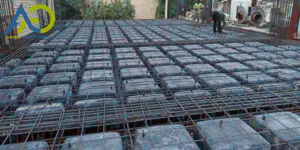
- 4) Reinforcement: rebar fixed between and over the moulds;
- 5) Concreting: uniform pour with proper slump, fully vibrated;
- 6) Stripping: after initial set (7–14 days), moulds strip gently, get cleaned and stored for the next slab.
Common mistakes to avoid
- Weak shoring: substandard jacks or scaffolding can cause slab settlement during the pour;
- Early stripping: leads to cracking or excessive deflection;
- Insufficient vibration: creates honeycombing in the ribs and weakens the slab.
Waffle Mould Prices and Quantity Calculation
Waffle slab mould prices depend on material (virgin PP or steel), size and depth, type (one-way/two-way/Skydome) and the raw-material market. Bigger, deeper moulds (95×95×40) cost more than small ones (60×60×18); one-way moulds are usually cheaper than two-way. Prices move daily — ask for today's list:
| Mould type | Sizes | Daily price |
|---|---|---|
| Two-way PP waffle | 60×60 … 95×95 (depth 18–40) | Instant quote |
| One-way modular lock-type | 60×25 + custom | Instant quote |
| Skydome heel-20 | 90×90×30 / 40 | Instant quote |
| Rental | all sizes — monthly | Ask terms |
Buy or rent? New or used?
- Rent for short, small jobs — pay only for the months you need;
- Buy if you build continuously — after a few projects the moulds work for free;
- Used moulds are economical if sound: check for cracks, warping and edge damage. Browse verified listings on our used marketplace.
Factory-Direct Supply and Export
Alborz Ghaleb moulds waffle forms from compressed polypropylene on advanced injection machines in Karaj; every batch is pressure-tested. Selling is factory-direct with no middlemen: real factory pricing, free engineering consultation (send your slab drawing — we pick the type, size and exact count), official proforma, factory visits by appointment, rental and verified used options, plus complete shoring supply — scaffolding, prop jacks and formwork accessories from one source. We ship across Iran and export to Iraq, Turkey, Armenia, Russia and CIS with official documents.
Waffle Slab Moulds — FAQ
How much do waffle slab moulds cost?
How many times can a mould be reused?
Is a waffle slab earthquake-resistant?
One-way vs two-way — what's the difference?
How do I calculate the number of moulds?
Should I buy or rent?
Plastic or steel moulds?
Do you export waffle moulds?
Build Your Next Waffle Slab with Alborz Ghaleb
Send your slab drawing — our engineers select the right mould type and size, calculate the exact count and return an official proforma. Factory-direct production + rental + verified used + complete shoring supply.
Contact for price
What Are One-Way Waffle Slab Moulds? Applications, Benefits, and Execution Tips
Large Panel Formwork: The Complete Guide to Price, Specs Seamless Concrete Construction
What Are Two-Way Waffle Slab Moulds? Applications, Benefits, and Execution Tips

Your opinion matters to us
Share your experience and thoughts with us and other users
No comments yet. Be the first!