


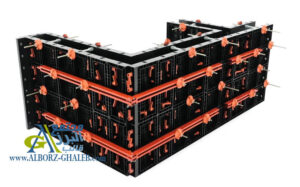
100×30 Modular Panel
Suitable for medium strip footings and manual handling on residential construction sites.
strip footing formwork | approx. 20 kg | 2 mm steel sheetGet Price
Factory Direct Supply
Metal Foundation Formwork | Steel Formwork for Concrete Footings
Metal foundation formwork is a reusable steel panel system used to shape strip footings, isolated footings and raft foundations before concrete placement. Alborz Ghaleb manufactures modular steel panels in Karaj, Iran, and supplies contractors with panels, pins, wedges, tie rods, washers and technical support for local and export projects.
Quick answer for buyers
Direct answer: concrete footing formwork made from modular steel panels gives contractors better dimensional control, higher reuse value and lower long-term project cost than disposable timber or brick formwork. Alborz Ghaleb supplies the system from its factory in Karaj with delivery to Iran, Iraq, Armenia, Russia and GCC markets.
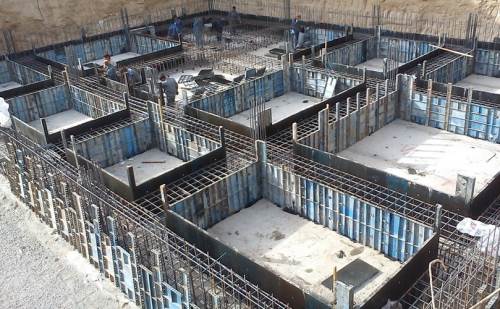
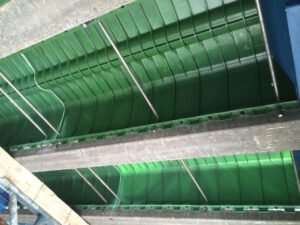
The gallery below shows typical foundation preparation, reinforcement layout, panel arrangement and concrete footing work. Each image includes descriptive alt text and a short caption for image SEO and AI vision extraction.


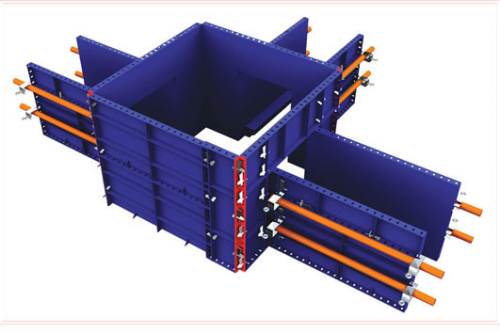
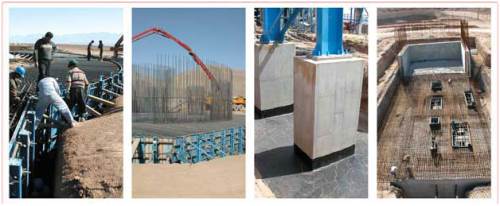
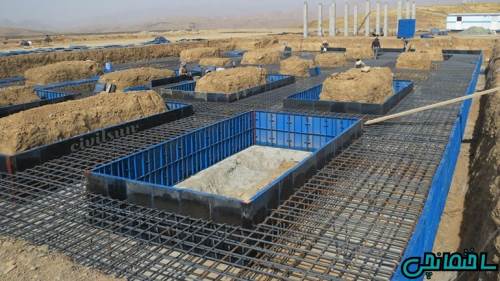
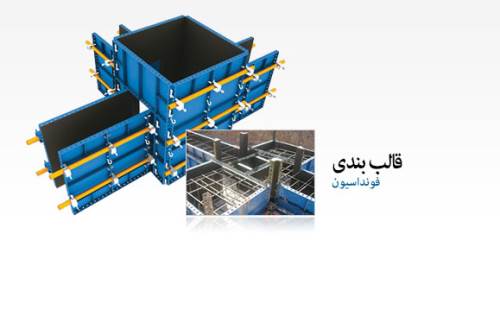
steel foundation formwork is a temporary but load-bearing mould that holds fresh concrete in the exact footing shape until the concrete reaches sufficient early strength. A complete system normally includes steel panels, corner units, pins, wedges, tie rods, washers, braces and release oil.
Foundation formwork is not only about appearance. If the panels move during pouring, the footing width, axis line or edge level can change. That error may affect column starter bars, wall alignment and the quantity of repair work after stripping. For this reason, professional contractors treat formwork as a quality-control system, not as a simple site accessory.
According to the general definition of formwork, it is a temporary or permanent mould into which concrete is poured. In foundation work, the steel system is preferred when repeated use, dimensional accuracy and fast relocation between axes are important.
“In foundation work, a few millimetres of panel misalignment can become a visible construction error over a long footing axis. Good formwork reduces rework before the project reaches the column stage.” — M. Dashtabadi, Technical R&D Manager, Alborz Ghaleb, July 2026
modular metal formwork works best when the project has repeated footing axes, multiple blocks or a schedule that requires rapid relocation of panels. The more often a panel is reused, the lower its real cost per square metre becomes.
Suitable for medium strip footings and manual handling on residential construction sites.
strip footing formwork | approx. 20 kg | 2 mm steel sheetGet Price
Recommended for higher concrete depth, raft foundations and heavier industrial footing work.
raft foundation formwork | approx. 34 kg | reinforced connectionsGet Price
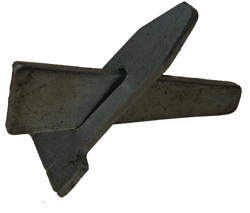
Used for corners, closing gaps, narrow edges and detailed geometry in foundation layouts.
foundation shuttering | CO2 welding | detail controlGet Price
A practical order normally includes main panels, narrow panels, corner elements and spare accessories. Alborz Ghaleb formwork support can review drawings and calculate a panel mix that reduces unused pieces while keeping the site crew productive.
metal formwork price is calculated from the real panel weight, steel sheet quality, edge type, welding method, paint or surface finish, accessory list, order volume and delivery destination. Export orders also require packing lists, gross weight and transport coordination.
For labour cost references, buyers may compare local market data, but factory-supplied panels must be priced directly by weight and specification. For accurate pricing, send the footing plan by WhatsApp.
| Option | Typical Use | Reuse | Accuracy | Best For |
|---|---|---|---|---|
| Steel modular panel | Strip, isolated and raft footings | Very high | High | Repeated and industrial projects |
| Timber formwork | Small or one-time work | Low | Crew-dependent | Limited-budget small sites |
| Brick formwork | Simple permanent footing edges | Not reusable | Medium | Simple low-height footings |
| Plastic formwork | Lightweight handling and wet sites | Medium to high | Good | Fast manual relocation |
| Alborz Ghaleb steel system | Factory-made modular supply | 200+ cycles | Controlled by QC | Contractors, exporters and rental fleets |
For large projects, steel formwork panels usually win on life-cycle cost. Timber may look cheaper at the start, but cutting waste, moisture damage and limited reuse increase the real cost over multiple pours.
HowTo summary: prepare the blinding concrete, place panels on axis lines, connect and brace the system, check level and alignment, apply release oil, inspect all joints and pour concrete in controlled layers.
Useful complementary equipment includes formwork accessories, metal modular formwork for walls and prop jacks for temporary support. For safety guidance in concrete work, see the general OSHA concrete safety resources.
“The last inspection before concrete placement is the most important step. Once concrete starts moving, correcting a weak brace or open joint becomes expensive.” — Alborz Ghaleb Technical Team
Strip footings, isolated pads and grade beams where speed and alignment are important.
Raft foundations, machine bases, warehouse footings and long axes with higher pressure.
Footings linked to retaining walls, bridges and concrete infrastructure elements.
Good maintenance protects the real value of the system. After every pour, remove concrete residue, clean the panel face and apply light oil before storage. Avoid heavy hammering on panel edges because edge deformation reduces alignment quality on the next project.
Most contractors buy reusable formwork panels together with modular metal formwork, concrete formwork systems, pins, wedges and accessories, modular scaffolding, prop jacks and plastic concrete formwork. Planning these items together improves compatibility and reduces site delays.
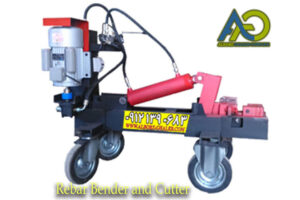
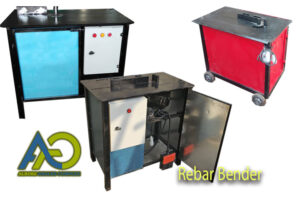
Alborz Ghaleb Industrial Complex is based in Karaj, Kamalshahr, Iran. The factory supplies concrete formwork, plastic panels, prop jacks, modular scaffolding, rebar machinery and formwork accessories. Buyers can request official invoices, factory visit coordination, technical consultation and export packing support.
The export-ready datasheet for formwork accessories and panels can include dimensions, approximate weights, accessory list, packing method, delivery terms and project-specific recommendations. Ask the sales team for a PDF catalogue and quotation template.
Send your footing drawing or item list on WhatsApp. Alborz Ghaleb will calculate the panel mix, accessory list, approximate weight, delivery options and factory-direct quotation.
WhatsApp Sales
Call +98 912 139 0683
Last updated: July 2026 | Technical author: M. Dashtabadi | Alborz Ghaleb Industrial Complex
Factory: Karaj, Kamalshahr, Behesht-e Sakineh Blvd, 4th Sharghi, No.80 | info@alborz-ghaleb.com
Your opinion matters to us
Share your experience and thoughts with us and other users
No comments yet. Be the first!